Description
🌳 Siberian Elm (Premium Catalog Style)
Ulmus pumila, commonly known as Siberian Elm, is a rugged, fast‑growing elm species valued for its exceptional cold tolerance, drought resistance, and ability to thrive where few other trees will. Native to northern Asia, this species has earned a reputation as one of the toughest elms in cultivation, capable of handling harsh winters, dry soils, and exposed sites with ease.
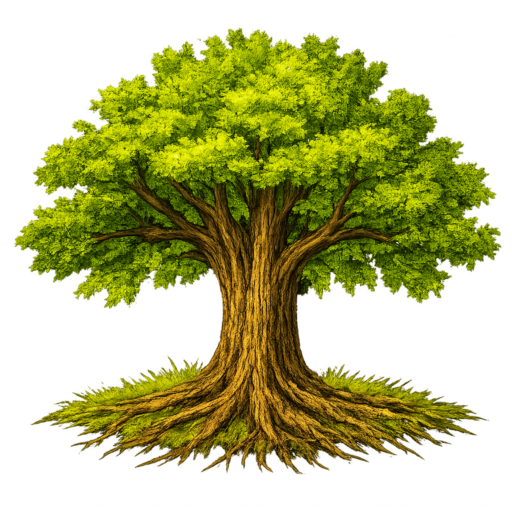
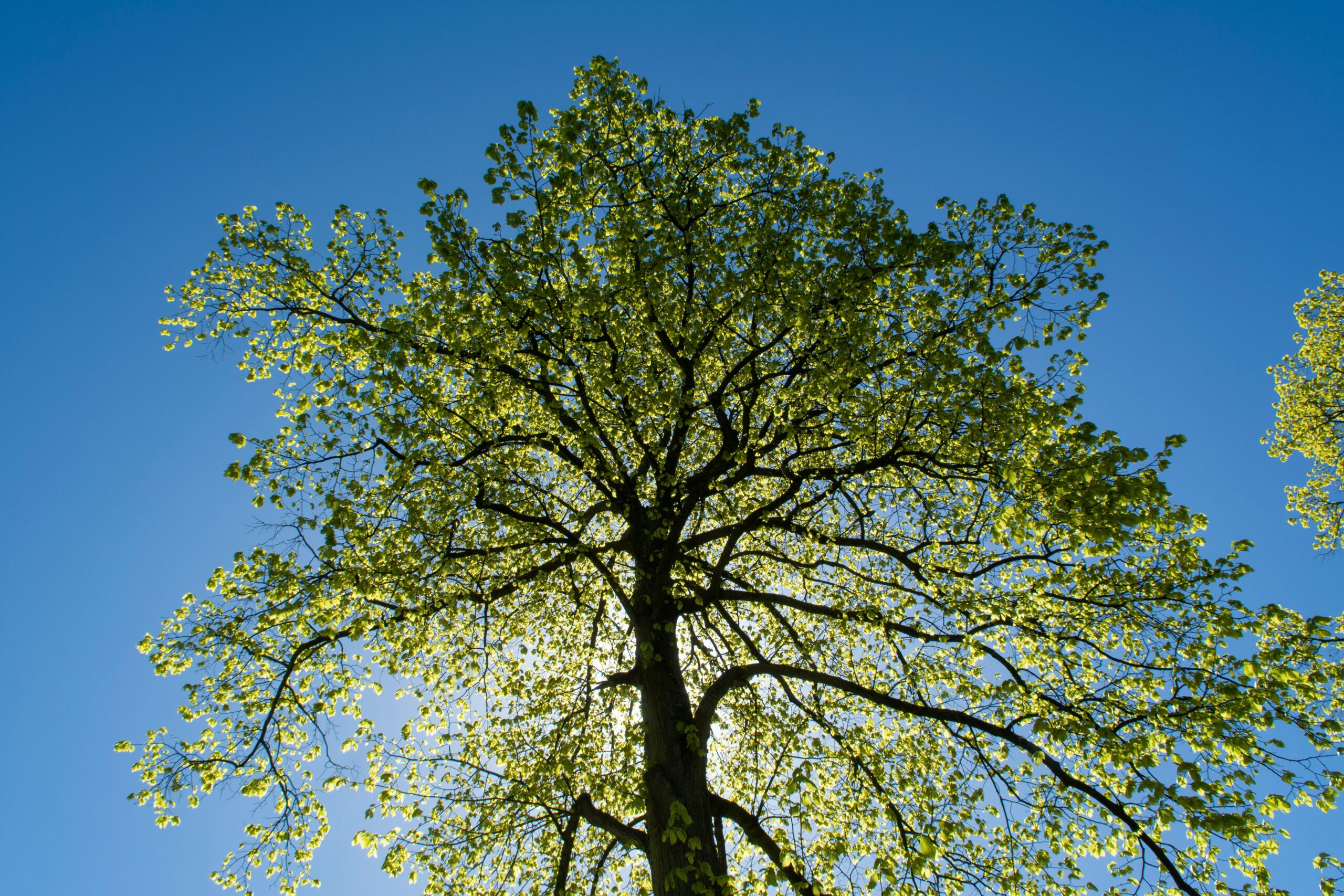
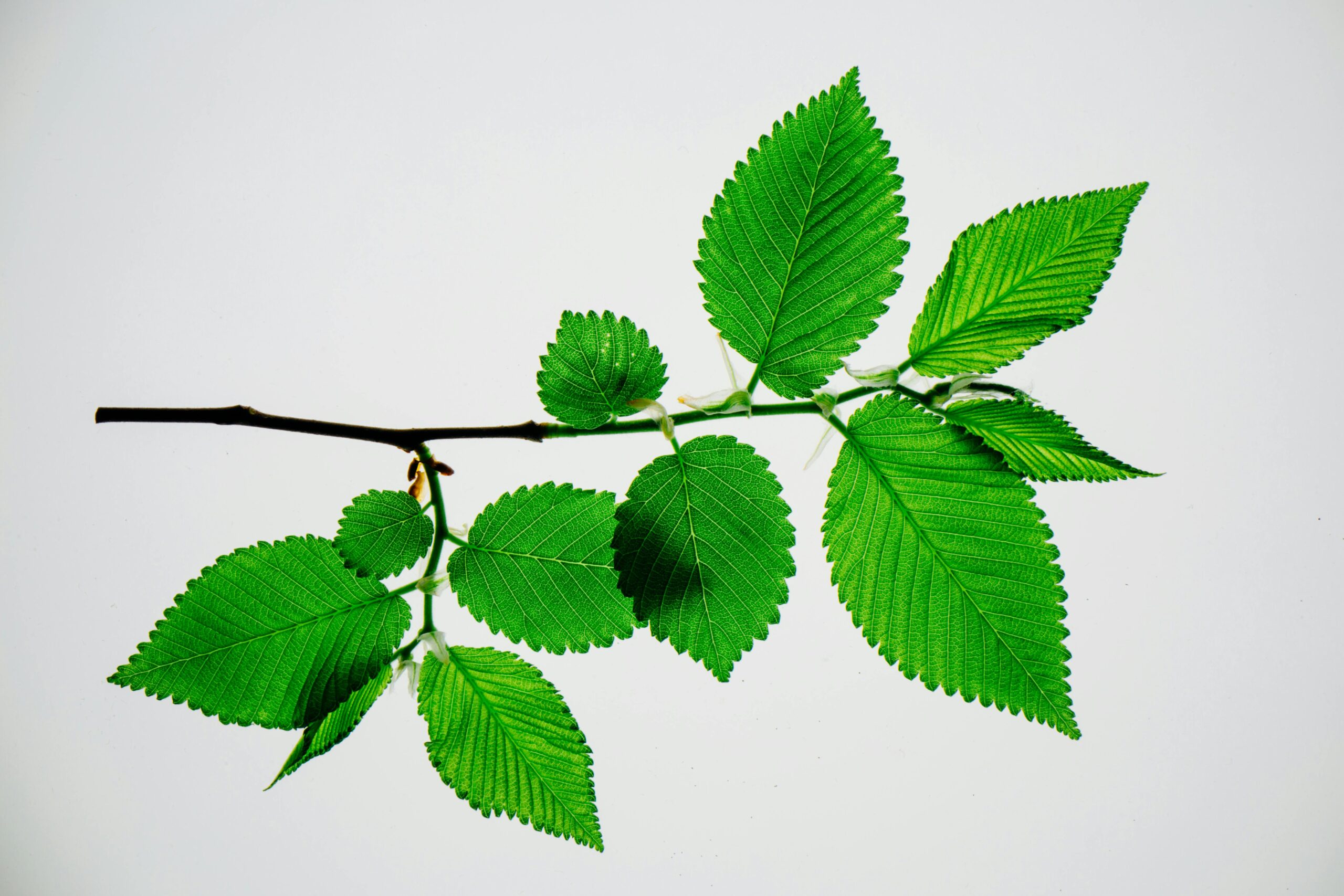
Siberian Elm forms a rounded to vase‑shaped crown with fine‑textured foliage and small, serrated leaves that emerge bright green in spring and deepen through summer. Growth is rapid in youth, making it an excellent choice for establishing shade, windbreaks, or restoration plantings in challenging environments. Its adaptability to clay, sand, alkaline soils, and urban conditions makes it a reliable performer in both rural and city landscapes.
While not as large or stately as American Elm, Siberian Elm excels where resilience is the priority. It is widely used for shelterbelts, erosion control, and hardy homestead plantings. Once established, it requires minimal care and offers decades of dependable structure.
Why Grow Siberian Elm
- Extremely hardy — thrives in USDA Zones 3–9
- Fast growth — quickly provides shade or screening
- Highly adaptable — tolerates drought, wind, poor soils, and urban stress
- Fine-textured foliage — attractive small leaves with good summer color
- Low maintenance — reliable and durable once established
Growth & Habit
- Mature height: 35–55 ft
- Mature spread: 30–40 ft
- Growth rate: Fast
- Form: Rounded to vase‑shaped crown
Site Requirements
- Light: Full sun
- Soil: Clay, loam, sand; tolerates alkaline soils
- Moisture: Moderate to dry; drought tolerant once established
Landscape Uses
- Windbreaks and shelterbelts
- Homestead and farm plantings
- Tough urban or roadside sites
- Erosion control
- Fast shade in difficult locations

Reviews
There are no reviews yet.