Description
🌿 American Cranberry
Vaccinium macrocarpon, known as American Cranberry, is a low, evergreen to semi‑evergreen fruiting shrub native to the cool bogs and wetlands of North America. This species is the true commercial cranberry—grown for centuries for its tart, antioxidant‑rich berries and its ability to thrive in acidic, moisture‑retentive soils where few other fruiting plants succeed.
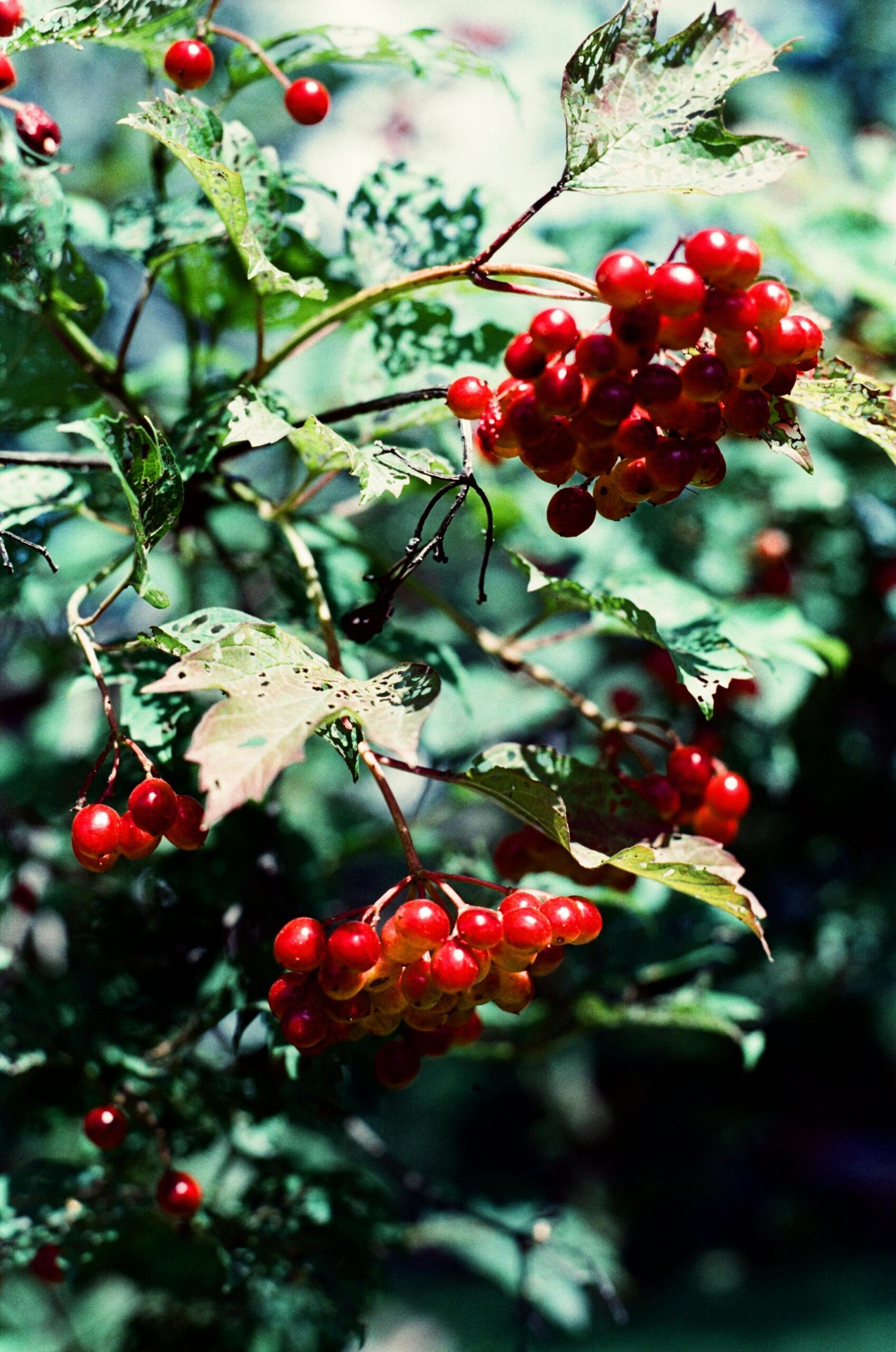
American Cranberry forms a dense mat of fine, wiry stems with small, glossy leaves that turn deep red in fall and often hold color into winter. In late spring, it produces delicate pink, reflexed flowers that mature into bright red berries by early fall. The fruit is prized for fresh eating (with sweetening), sauces, preserves, baking, and long‑term storage.
This is a high‑value edible native that excels in rain gardens, wetland edges, acidic beds, and container culture. It spreads slowly by runners, creating a beautiful, low groundcover that is both ornamental and productive. With proper soil acidity and moisture, American Cranberry is long‑lived and highly reliable.
Key Features
- True North American cranberry with high‑quality edible fruit
- Evergreen to semi‑evergreen foliage with striking red fall color
- Thrives in acidic, moist soils where other fruit crops struggle
- Cold‑hardy and well‑adapted to northern climates
- Excellent for edible landscaping, bog gardens, and rain gardens
Growth & Habit
- Height: 6–12 inches
- Spread: 2–3 feet (via runners)
- Growth rate: Moderate
- Form: Low, spreading mat
Site Requirements
- Light: Full sun to part sun
- Soil: Acidic (pH 4.0–5.5), sandy or peat‑rich
- Moisture: Consistently moist; tolerates wet soils
Landscape Uses
- Edible gardens
- Rain gardens and wetland edges
- Acidic beds with blueberries
- Native plantings
- Ornamental groundcover

Reviews
There are no reviews yet.