Description
🌿 Bog Blueberry (Vaccinium uliginosum)
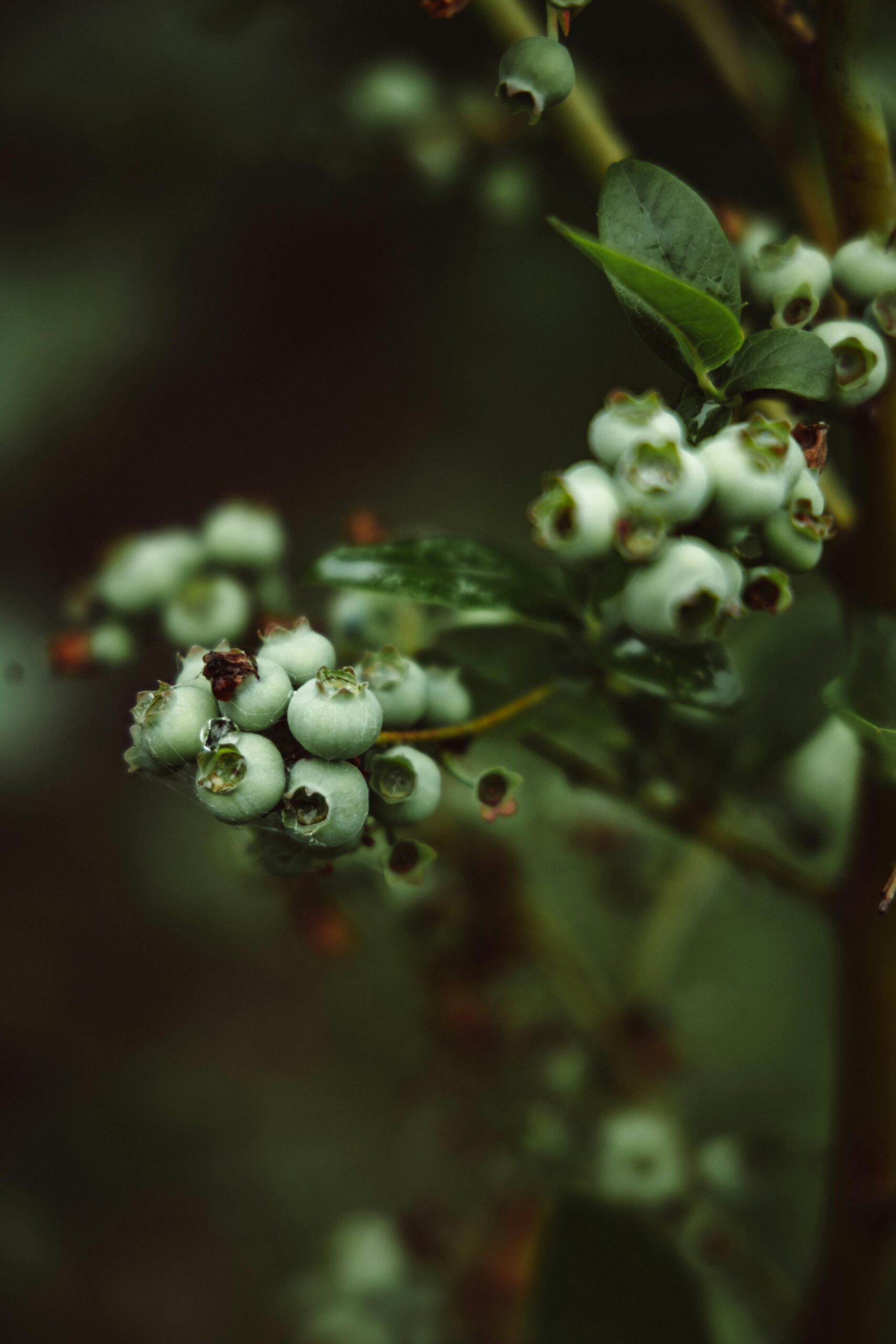
Vaccinium uliginosum, known as Bog Blueberry or Bog Bilberry, is a cold‑hardy, slow‑spreading native shrub found across northern bogs, fens, and alpine regions. This species produces small, powder‑blue berries with a rich, wild flavor prized in northern cuisine. Its natural habitat gives it exceptional tolerance for cold, acidic, and moisture‑retentive soils—making it a standout choice for edible native landscapes and restoration projects.
Bog Blueberry forms a compact mound of fine, bluish‑green foliage that turns brilliant shades of red and burgundy in fall. In spring, it produces delicate white to pink urn‑shaped flowers that mature into flavorful berries by mid‑summer. Compared to commercial blueberries, Bog Blueberry offers a more intense, wild berry flavor and thrives in harsher, wetter, and more acidic soils where cultivated varieties struggle.
This is a true northern native, ideal for rain gardens, bog gardens, wetland edges, and cool‑climate edible plantings. Its compact size, ornamental foliage, and ecological value make it a versatile addition to both naturalistic and designed landscapes.
Key Features
- Cold‑hardy native blueberry with excellent wild berry flavor
- Thrives in acidic, moist, cool soils
- Compact, ornamental form with striking red fall color
- High wildlife value for pollinators and birds
- Perfect for bog gardens, rain gardens, and northern edible landscapes
Growth & Habit
- Height: 1–3 ft
- Spread: 2–4 ft
- Growth rate: Slow to moderate
- Form: Compact, rounded shrub
Site Requirements
- Light: Full sun to part sun
- Soil: Acidic (pH 4.0–5.5), peat‑rich, sandy, or moist organic soils
- Moisture: Prefers consistent moisture; tolerates wet sites
Landscape Uses
- Edible native gardens
- Rain gardens and bog gardens
- Wetland edges
- Cold‑climate landscapes
- Naturalistic plantings
- Companion plant for cranberries and blueberries

Reviews
There are no reviews yet.