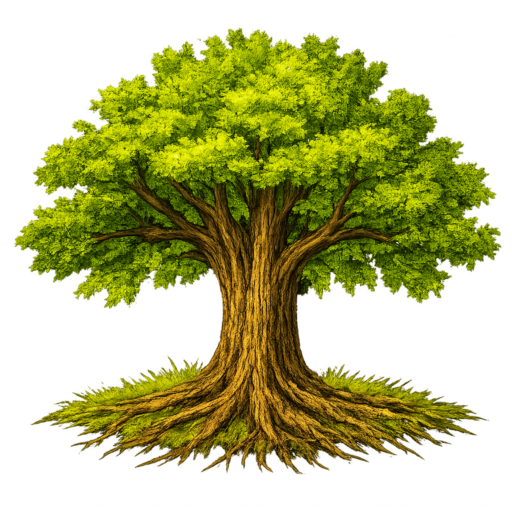

Description
Osage orange (Maclura pomifera)
Common Names: Osage-orange, Hedge apple, Horse apple, Bois d’arc
Botanical Name: Maclura pomifera
Plant Type: Deciduous tree
USDA Hardiness Zones: 4–9
Mature Height: 30–50 ft
Mature Spread: 20–40 ft
Growth Rate: Moderate to fast
Product Description
Osage-orange is a rugged, long-lived North American hardwood tree known for its extreme durability, adaptability, and striking green, brain-like fruit. Native to the south-central United States, this tree has been widely planted across the country for windbreaks, wildlife habitat, and natural fencing.
The tree develops a dense, rounded canopy with glossy, dark green leaves that turn a soft yellow in fall. Its deeply furrowed, orange-brown bark adds winter interest and character to rural and natural landscapes.
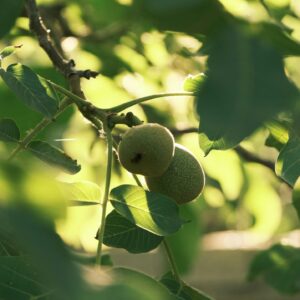
Female trees produce large, spherical fruits (4–6 inches across) with a distinctive textured surface. Though not typically eaten by humans, the fruit provides wildlife value and seasonal ornamental appeal.
Key Features
Extremely Durable Wood – One of the hardest and most rot-resistant woods in North America; historically used for fence posts and archery bows.
Drought Tolerant – Thrives in poor, dry, or clay-heavy soils once established.
Windbreak Champion – Dense branching structure makes it excellent for shelterbelts and privacy barriers.
Wildlife Friendly – Provides cover and nesting habitat for birds and small mammals.
Adaptable – Tolerates heat, wind, pollution, and urban conditions.
Growing Conditions
Sunlight: Full sun (6+ hours daily)
Soil: Adaptable to sandy, loamy, or clay soils; prefers well-drained sites
Water Needs: Low to moderate once established
Maintenance: Minimal; prune for shape or to control size
Landscape Uses
Farm windbreaks
Natural privacy screens
Large property boundaries
Wildlife habitat plantings
Rustic or native restoration landscapes
Male trees do not produce fruit (ideal for ornamental planting without fruit cleanup).

Reviews
There are no reviews yet.