

Description
🍏 Azarole
Crataegus azarolus
Mediterranean Medlar • Azarole Hawthorn
Azarole is a rare and captivating Mediterranean fruit tree — a beautifully ornamental hawthorn that blends old‑world charm with genuine culinary value. Native to the warm, sun‑drenched landscapes of Southern Europe and the Middle East, this species has been cherished for centuries for its fragrant spring bloom, sculptural branching, and clusters of sweet‑tart fruit. Whether grown as a small tree or a large, spreading shrub, Azarole brings a refined, timeless presence to any landscape.
🌸 Elegant Spring Flowers
In late spring, Azarole bursts into bloom with dense clusters of white flowers accented by purple anthers.
- The floral display is soft, bright, and highly ornamental.
- Pollinators flock to the blossoms, adding movement and life to the garden.
- The flowers transition gracefully into heavy fruit clusters by late summer.
🍐 Delicious, Old‑World Fruit
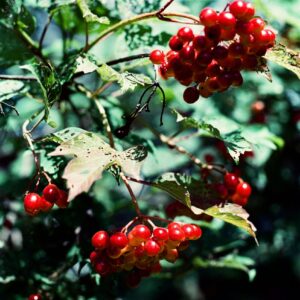
Azarole produces orange to pale yellow fruits that resemble miniature apples.
- Flavor is sweet‑acidic, becoming richer and more fragrant in warm climates.
- Traditionally used for fresh eating, pies, preserves, and Mediterranean desserts.
- Fruit hangs in attractive clusters, adding ornamental value even before harvest.
This is one of the few hawthorns with genuinely enjoyable fruit, making it a standout edible ornamental.
🌿 Refined Foliage & Structure
- Deeply lobed, glossy green leaves
- Slightly spiny, sculptural branches
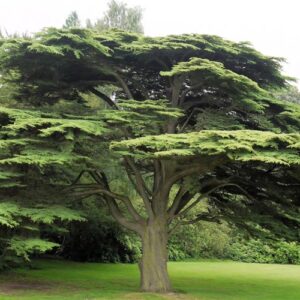
- A spreading, airy canopy that works beautifully as a specimen or in mixed plantings
The tree maintains visual interest in every season, from spring bloom to fall fruit.
🌱 Growth Habit & Culture
- Grows as a large shrub or small tree, typically 10–20 ft
- Hardy to Zone 5, making it suitable for a wide range of climates
- Thrives in full sun and well‑drained soil
- Tolerant of heat, drought, and poor soils once established
- Slow to moderate growth — ideal for shaping, training, or bonsai work
Azarole is adaptable, resilient, and long‑lived.
🌳 Why Grow Azarole?
- A rare fruiting species almost never found in U.S. nurseries
- Combines edible fruit with ornamental beauty
- Excellent for collectors, food forests, Mediterranean‑style gardens, and wildlife plantings
- Strong cultural history and traditional culinary uses
- Perfect for customers seeking something unique, beautiful, and productive
This is a tree with character — subtle, elegant, and deeply rewarding.


Reviews
There are no reviews yet.