Description
🌲 Greek Fir (Abies cephalonica)
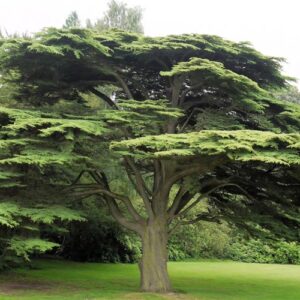
Abies cephalonica, known as Greek Fir, is a bold, architectural conifer native to the high mountains of Greece. This species is admired for its dense, formal pyramidal shape, deep green needles, and exceptional heat and drought tolerance compared to most firs. In landscapes, Greek Fir stands out as a stately specimen tree with strong year‑round presence and a refined, sculptural silhouette.
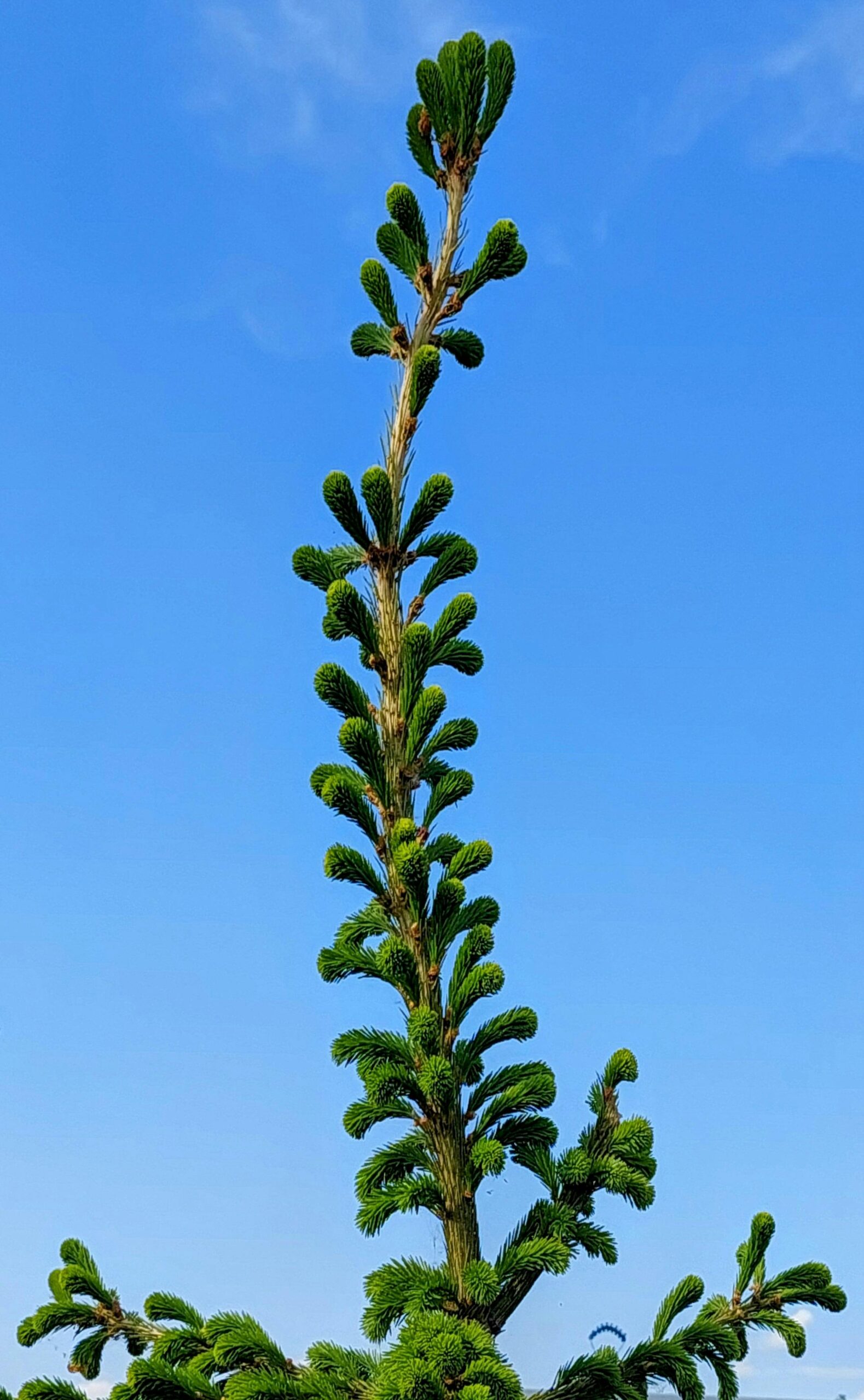
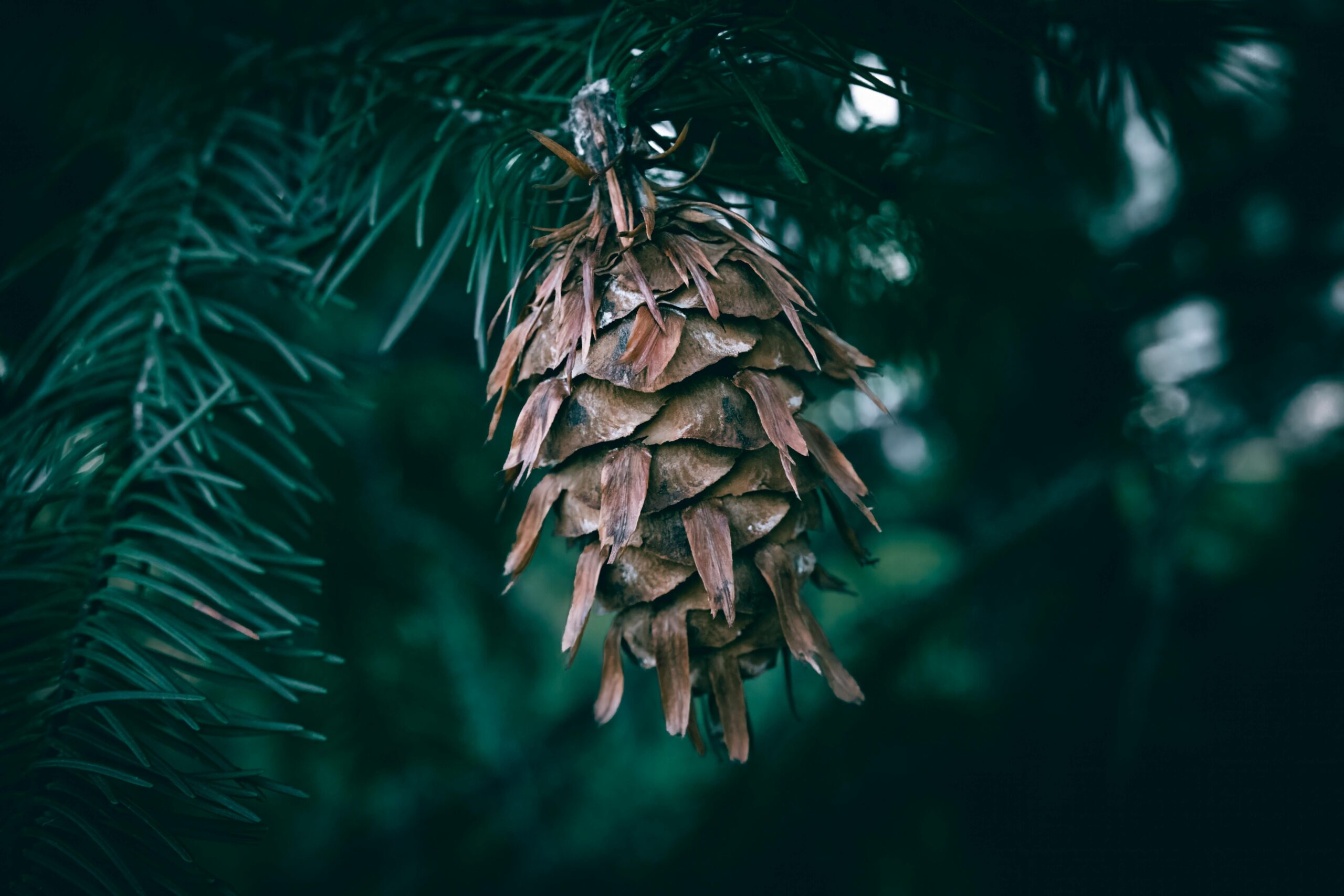
The needles are glossy, rich green, and arranged densely around the branches, giving the tree a full, lush appearance. New growth emerges bright and vibrant before maturing to a darker tone. Cones are upright, cylindrical, and highly ornamental, adding to the tree’s visual appeal as it matures.
Unlike many firs that prefer cool, moist climates, Greek Fir thrives in sunny, dry, rocky, or alkaline soils, making it one of the most adaptable fir species for challenging sites. It performs well in both cold northern climates and warm summers, offering a unique combination of Mediterranean toughness and alpine elegance.
This species is ideal for collectors, conifer enthusiasts, and anyone seeking a long‑lived, formal evergreen with strong architectural character.
Key Features
- Dense, formal pyramidal shape with strong year‑round structure
- Glossy deep‑green needles and ornamental upright cones
- More heat‑ and drought‑tolerant than most firs
- Excellent longevity and landscape presence
- Ideal specimen tree for collectors and conifer gardens
Growth & Habit
- Height: 40–70 ft
- Spread: 20–30 ft
- Growth rate: Moderate
- Form: Strong pyramidal to columnar
Site Requirements
- Light: Full sun
- Soil: Well‑drained loam, rocky soils, or alkaline soils
- Moisture: Moderate; drought tolerant once established
Landscape Uses
- Specimen tree
- Conifer collections
- Formal landscapes
- Dry or rocky sites
- Architectural evergreen plantings

Reviews
There are no reviews yet.