
Description
🍁 Flame Maple — Climate & Hardiness Zones
USDA Hardiness Zones: 3–9
- Zone 3–4: Extremely cold‑hardy. Handles Michigan winters, deep freezes, and late frosts without dieback.
- Zone 5–6: Fastest growth rate; ideal coloration and canopy development.
- Zone 7–9: Performs well but fall color can shift slightly depending on heat and soil moisture. Still reliable in most warm climates.
Temperature Tolerance:
- Survives winter lows down to –40°F.
- Summer heat tolerant up to 100°F with adequate moisture.
- One of the most adaptable native maples for both cold and warm regions.
🌳 Expanded Botanical Explanation
Growth Habit & Structure
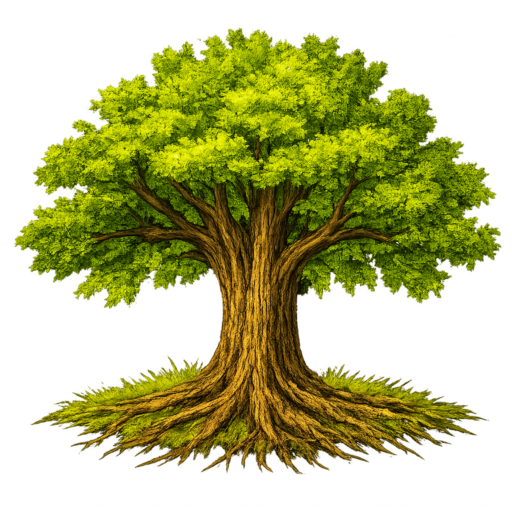
Flame Maple (a selected form of Acer rubrum) grows with a strong central leader, upright branching, and a naturally symmetrical oval crown. This gives it a clean, architectural look even when young. Mature height typically reaches 40–55 ft, with a spread of 30–40 ft, though growth rate is fast enough that even young trees establish quickly.
Seasonal Interest
- Spring: Red buds and red-tinged new growth signal the start of the season.
- Summer: Dense green canopy provides deep shade and excellent cooling.
- Fall: The signature moment—scarlet, ember-orange, and deep crimson tones that hold longer than most red maple types.
- Winter: Smooth gray bark and clean branching add structure to the landscape.
Soil & Site Adaptability
Flame Maple is one of the most versatile native hardwoods:
- Thrives in clay, loam, or sandy soils
- Tolerates periodic wetness better than most ornamental maples
- Handles urban conditions, including road salt and compacted soils
- Prefers full sun for best color, but tolerates light shade
This adaptability is why it’s widely planted across the Midwest and Northeast.
Growth Rate
- Fast-growing: Typically 1.5–2.5 ft per year once established
- Responds well to pruning and structural training
- Establishes quickly even in tough sites
Ecological Value
As a native species, Flame Maple supports:
- Early-season pollinators (flowers appear before leaves)
- Birds and beneficial insects
- Improved soil moisture retention and shade cooling
It’s a high-impact ornamental that also contributes to local ecology.

Reviews
There are no reviews yet.