
Description
🌳 Common Filbert / European Hazelnut (Corylus avellana)
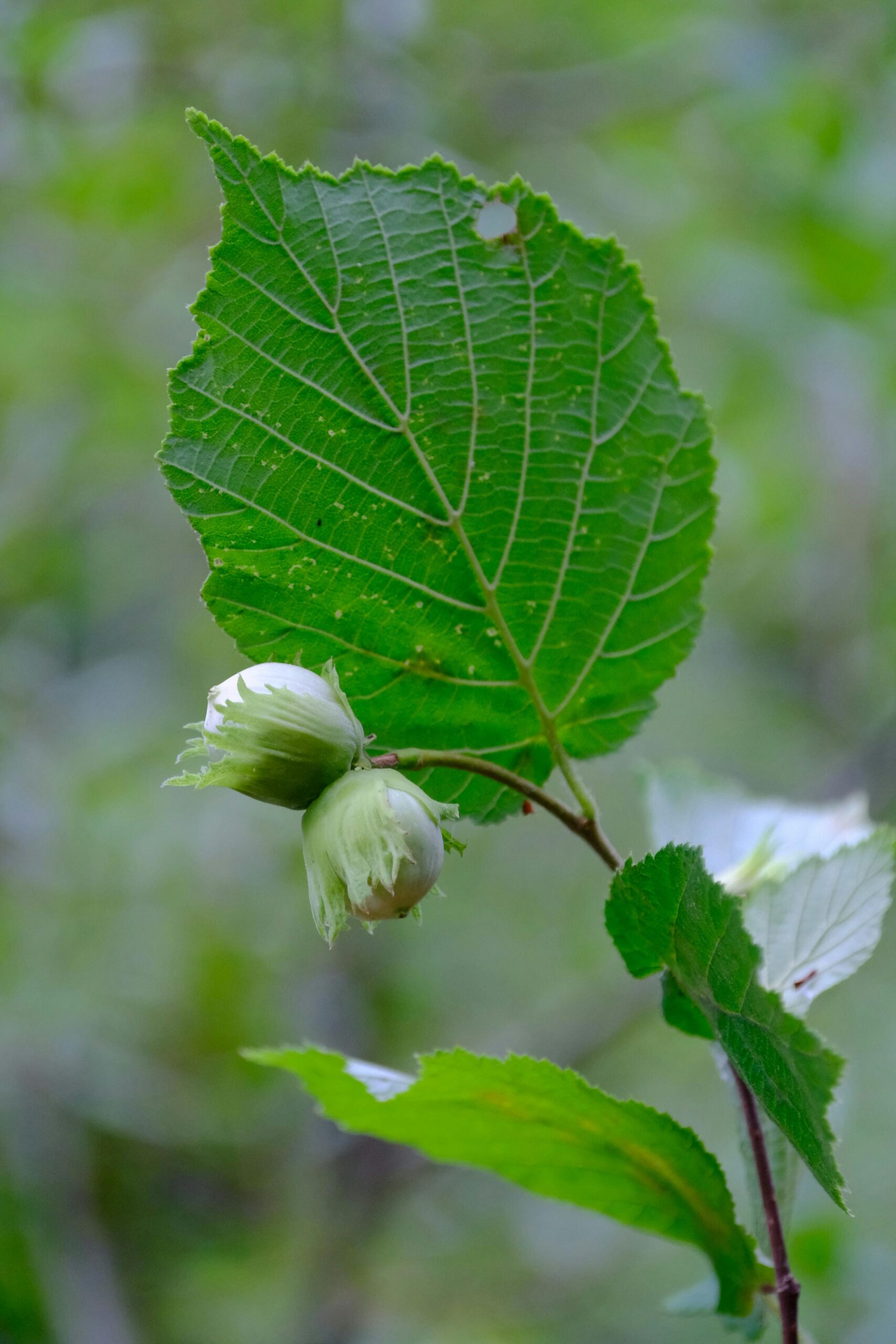
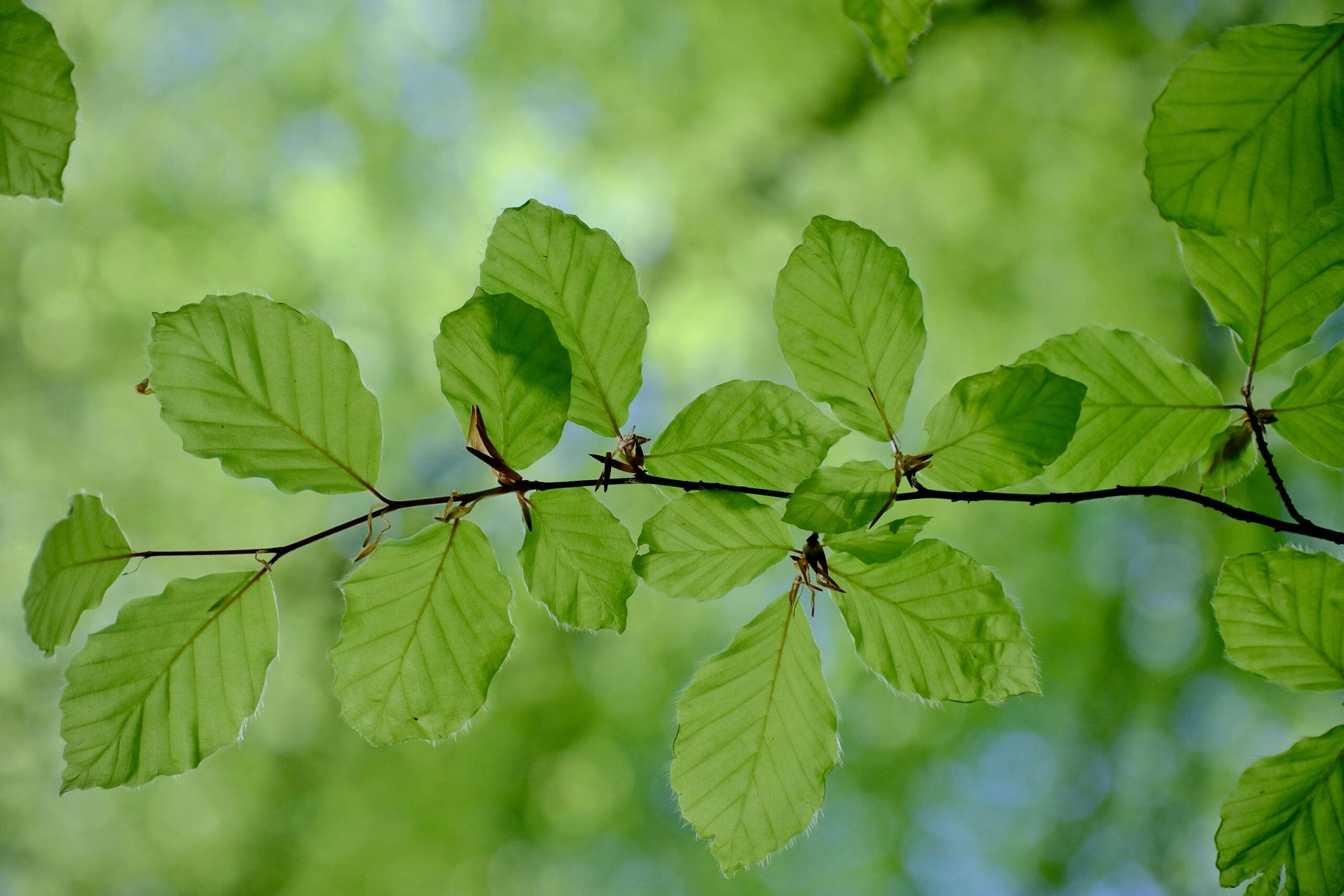
Corylus avellana, known as European Hazelnut or Common Filbert, is the classic hazelnut species cultivated for centuries across Europe for its rich, flavorful nuts and exceptional adaptability. This species forms a multi‑stemmed shrub or small tree with attractive rounded leaves, smooth gray bark, and a naturally elegant, arching habit. It is one of the most productive and reliable nut‑bearing shrubs for temperate climates.
In late winter, European Hazelnut produces long, golden catkins that sway in the wind and signal the earliest signs of spring. These are followed by clusters of edible nuts enclosed in frilled husks, ripening in late summer to early fall. The nuts are prized for fresh eating, roasting, baking, confectionery, and long‑term storage.
European Hazelnut is vigorous, cold‑hardy, and tolerant of a wide range of soils. It performs well in orchard settings, hedgerows, edible landscapes, and wildlife plantings. Compared to American Hazelnut, this species produces larger nuts, heavier yields, and more uniform crops, making it a favorite for homesteaders and small‑scale growers.
Key Features
- Classic European hazelnut with large, flavorful nuts
- Heavy‑bearing and reliable in temperate climates
- Attractive multi‑stemmed form with ornamental catkins
- Cold‑hardy and adaptable to many soil types
- Excellent for edible landscapes, hedgerows, and orchards
Growth & Habit
- Height: 10–15 ft
- Spread: 10–15 ft
- Growth rate: Moderate to fast
- Form: Multi‑stemmed shrub or small tree
Site Requirements
- Light: Full sun to part sun
- Soil: Well‑drained loam or sandy loam; tolerates clay
- Moisture: Moderate; drought tolerant once established
Landscape Uses
- Nut orchards
- Edible hedgerows
- Wildlife plantings
- Homestead landscapes
- Multi‑season ornamental shrub


Reviews
There are no reviews yet.