
Description
🌿 Betula albosinensis — Chinese Red Birch / Chinese Red‑Barked Birch
Betula albosinensis, the Chinese Red Birch, is one of the most visually stunning birches in cultivation, prized for its spectacular exfoliating bark and elegant four‑season presence. Native to the mountainous regions of western and central China, this species thrives in cool, moist forest environments where it develops its signature bark coloration — a mosaic of copper, chestnut, pink‑beige, and creamy white tones that peel in broad, curling sheets.
As the tree matures, the bark becomes increasingly dramatic, revealing warm inner layers that glow in winter light and create exceptional ornamental value. Few birches offer this level of bark color variation, making Betula albosinensis a standout specimen for collectors, designers, and homeowners seeking a tree with year‑round visual impact.
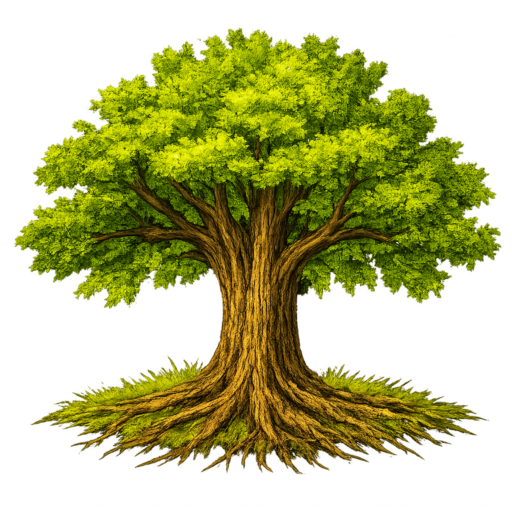
The canopy forms an upright, rounded crown with graceful branching. Leaves emerge a clean, dark yellow‑green, maturing into a rich green canopy through summer before turning brilliant golden yellow in autumn. In spring, the tree produces golden catkins, adding subtle texture and movement before the foliage fully expands.
Chinese Red Birch grows at a moderate to fast rate, reaching 40–70 feet tall with a spread of around 30 feet. It performs best in full sun to light shade and prefers moist, well‑drained soils, though it adapts well to sandy or clay‑based sites. Hardy in USDA Zones 5–8, this species is resilient, cold‑tolerant, and suitable for a wide range of landscape settings.
Whether planted as a single specimen or in a small grove, Betula albosinensis delivers unmatched bark beauty, strong structure, and four‑season ornamental interest.
🌳 Key Features & Benefits
- Exfoliating bark in copper, chestnut, pink‑beige, and cream
- Brilliant golden fall color
- Golden catkins in spring
- Upright, rounded form with elegant branching
- Moderate to fast growth
- Thrives in USDA Zones 5–8
- Adaptable to sandy, moist, or clay soils
- Exceptional winter interest and landscape structure
🌎 Ecological & Landscape Uses
- Four‑season specimen tree
- Large gardens and estate landscapes
- Woodland edges
- Lakeside and streamside plantings
- High‑contrast pairing with dark evergreens
- Architectural focal points
📏 Growth & Hardiness
- Height: 40–70 ft
- Spread: ~30 ft
- Growth Rate: Moderate to fast
- Hardiness: USDA Zone 5
- Light: Full sun to light shade
- Soil: Moist, well‑drained; tolerates sandy or clay soils
- Foliage: Dark yellow‑green → bright golden yellow in fall
- Bark: Copper, chestnut, pink‑beige, cream; exfoliating sheets

Reviews
There are no reviews yet.