
Description
🌿 Betula davurica — Asian Black Birch / Dahurian Birch
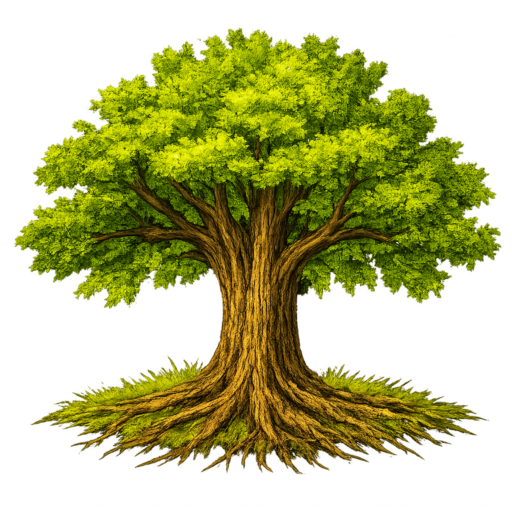
Betula davurica, known as Asian Black Birch or Dahurian Birch, is a refined, resilient birch species native to the mountain slopes and forest edges of northeastern Asia, including China, Korea, Mongolia, Japan, and parts of Russia . This elegant deciduous tree forms a rounded crown with graceful horizontal branching, reaching 40–50 ft tall and 20–30 ft wide, making it an excellent mid‑sized birch for landscapes seeking structure, movement, and four‑season interest.
One of its most striking features is the dark gray to gray‑brown bark, which naturally peels and curls into shaggy, textured strips. This exfoliating bark provides exceptional winter appeal and sets it apart from more common birch species. In spring, the tree produces delicate monoecious catkins — brownish male catkins and greenish female catkins — adding subtle ornamental detail as the season begins .
The foliage is a deep, lush green with serrated margins and pointed tips. As autumn arrives, the leaves turn a vibrant yellow, creating a brilliant fall display. Unlike many birches, Betula davurica is notably tolerant of drier soils and shows strong resistance to bronze birch borer, making it a far more durable choice for modern landscapes .
Thriving in USDA Zones 4–7, this species prefers acidic, medium‑to‑moist soils but adapts well to a range of conditions, including sites near ponds, streams, and darker‑foliage plantings where its bark and fall color create striking contrast. Its combination of resilience, ornamental bark, and seasonal beauty makes it a standout birch for parks, estates, homesteads, and curated collector gardens.
🌳 Key Features & Benefits
- Distinctive exfoliating bark with shaggy texture
- Brilliant yellow fall color
- Resistant to bronze birch borer
- More drought‑tolerant than many birch species
- Elegant horizontal branching and rounded form
- Thrives in acidic, medium‑to‑moist soils
- Excellent for four‑season ornamental value
- Native to northeastern Asia’s forests and mountain slopes
🌎 Ecological & Landscape Uses
- Ornamental specimen tree
- Woodland edges and naturalized plantings
- Lakeside and streamside landscapes
- Parks, estates, and large gardens
- Contrast plantings with dark evergreens
- Four‑season interest landscapes
📏 Growth & Hardiness
- Height: 40–50 ft
- Spread: 20–30 ft
- Growth Rate: Moderate
- Hardiness: USDA Zone 4
- Light: Full sun to part shade
- Soil: Acidic, medium to moist; tolerates some dryness
- Flowers: Monoecious catkins in spring
- Fall Color: Bright yellow

Reviews
There are no reviews yet.