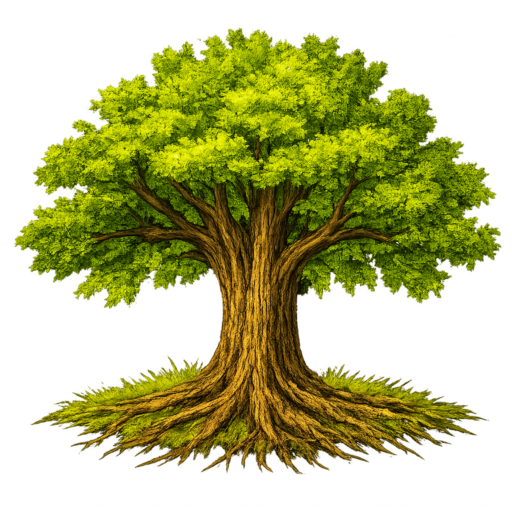

Description
🌸 Eastern Redbud — Southern Strain
(Cercis canadensis — Southern provenance)
The Southern strain of Eastern Redbud (Cercis canadensis) is a regionally adapted provenance originating from the warmer, longer‑season climates of the American Southeast. While genetically the same species as the standard Eastern Redbud, the Southern strain is known for enhanced heat tolerance, stronger drought resistance, and more vigorous early growth. These traits make it an excellent choice for growers seeking a redbud with added resilience and adaptability.
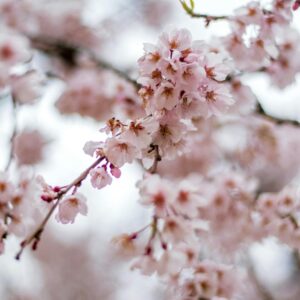
This strain produces the classic redbud display: masses of rosy‑pink flowers that emerge directly on the branches and trunk in early spring, long before the foliage appears. The blossoms are followed by broad, heart‑shaped leaves that unfurl with a soft reddish tint before maturing to deep green. In fall, the foliage shifts to warm yellow tones, giving the tree multi‑season ornamental value.
Southern‑provenance redbuds tend to grow slightly larger and fuller than northern strains, with a more robust branching structure and improved performance in hot summers. They are ideal for landscapes that experience heat waves, dry spells, or reflective heat from pavement and buildings. Despite their southern origins, they remain hardy into the lower Midwest and Great Lakes when planted in protected or favorable microclimates.
Key Features
- Heat‑tolerant and drought‑resistant compared to northern strains
- Classic redbud bloom with masses of rosy‑pink flowers
- Vigorous early growth and strong branching structure
- Heart‑shaped foliage with excellent seasonal color
- Ideal for urban, suburban, and ornamental landscapes
Growth & Habit
- Height: 20–30 ft
- Spread: 20–30 ft
- Growth rate: Moderate to fast
- Form: Rounded, spreading small tree
Site Requirements
- Light: Full sun to part shade
- Soil: Well‑drained loam or sandy loam
- Moisture: Moderate; dislikes heavy, waterlogged soils
Landscape Uses
- Ornamental specimen
- Front‑yard focal point
- Courtyard and foundation plantings
- Wildlife and pollinator gardens
- Urban and heat‑exposed sites

Reviews
There are no reviews yet.